 por
por Pickles, profits, and pitfalls. Yeah, you heard that right—starting a business isn’t just about that killer idea brewing in your garage; it’s about picking the right structure to avoid a world of hurt. Think about it: over 20% of new businesses fold within their first year, and often, it’s not the market—it’s the ownership mess. Whether you’re a budding entrepreneur in the US hustling through Silicon Valley vibes or pondering partnerships in a cozy UK cafe, choosing the wrong form of business ownership can tangle you in taxes, liability nightmares, and endless paperwork. But here’s the silver lining: nail this down, and you’re setting yourself up for smoother scaling, better funding, and that sweet freedom to innovate. Stick around, and we’ll unpack these options in a relaxed chat, helping you dodge common traps and build something real.
My First Solo Stumble: A Tale of One-Person Wonders
Okay, let me take you back to my early days—picture this: fresh out of college, I launched a freelance graphic design gig as a sole proprietorship. It was exhilarating, like being the captain of my own ship, but without a crew to share the storms. I remember pouring coffee at 2 a.m., juggling client emails and tax forms, thinking, «This is the dream.» But boy, was I wrong. As a sole prop, you’re personally liable for everything—debts, lawsuits, the works. One bad client dispute, and it’s your personal assets on the line. That’s when it hit me: while this form of business ownership is dead simple to start (no fancy paperwork, just you and your ideas), it’s like walking a tightrope without a net.
In my case, it taught me a hard lesson about scalability. Sure, it’s perfect for solopreneurs like bloggers or consultants wanting full control and all the profits—hello, no profit-sharing drama—but expand too fast, and you’re overwhelmed. Compare that to my buddy in London, who kicked off a similar gig; he swears by the flexibility, using local lingo like «keeping it under your hat» to mean maintaining privacy. Yet, I couldn’t shake the irony: in a world obsessed with collaboration, going solo feels like trying to win a relay race by yourself. If you’re eyeing this route, weigh the pros—easy setup, tax deductions on your personal return—against the cons, like unlimited liability. It’s not just business; it’s personal growth, mate.
From Ancient Guilds to Modern LLCs: A Cultural Time Warp
Ever wonder how business structures evolved? Let’s rewind to medieval Europe, where guilds were the OG partnerships—craftsmen banding together for protection and shared resources, much like today’s co-ops. Fast-forward to now, and in the US, an LLC (Limited Liability Company) is all the rage, blending the best of sole props and corporations without the corporate red tape. I mean, it’s like upgrading from a flip phone to a smartphone; you get liability protection without the double taxation headache of a C-corp.
Here’s a quick cultural nod: in entrepreneurial hotspots like India, family-run partnerships mirror those ancient guilds, emphasizing trust and shared vision—think of it as the Bollywood version of Silicon Valley startups. But back home, as an American entrepreneur, I’ve seen LLCs shield owners from personal bankruptcy while allowing pass-through taxation. To put it in perspective, imagine a conversation with a skeptical reader: «Wait, why bother with an LLC when a partnership seems cozier?» I’d say, «Sure, partnerships split the load and foster innovation, but what if your partner bails? With an LLC, you’re not on the hook for their mistakes.» That’s the beauty—it’s adaptable, like choosing a Swiss Army knife over a single tool.
And don’t overlook corporations; they’re the heavyweights, ideal for raising capital through stocks, but they’re as complex as a Marvel Cinematic Universe plot. In a types of business structures showdown, it’s all about your goals. For instance, S-corps offer tax perks for smaller ops, dodging the double taxation trap. This historical lens shows how entrepreneurship options aren’t static; they’re shaped by culture and tech, from Roman trade alliances to your local startup incubator. It’s a reminder that, as an entrepreneur, you’re part of a grand narrative—pick the form that fits your story, not just the trend.
Why Partnerships Can Be Like Bad Reality TV: Irony and Fixes
Alright, let’s get real with some humor—forming a partnership is like entering a reality show marriage; it’s all sunshine until the drama hits. I once teamed up with a friend for a small e-commerce venture, thinking it’d be a breeze. We were splitting ideas, costs, and laughs, but when profits dipped, so did our friendship. The irony? Partnerships, one of the oldest forms of business ownership, promise shared risk and expertise, yet they can turn into liability minefields if not structured right. It’s like expecting a sitcom and getting a soap opera.
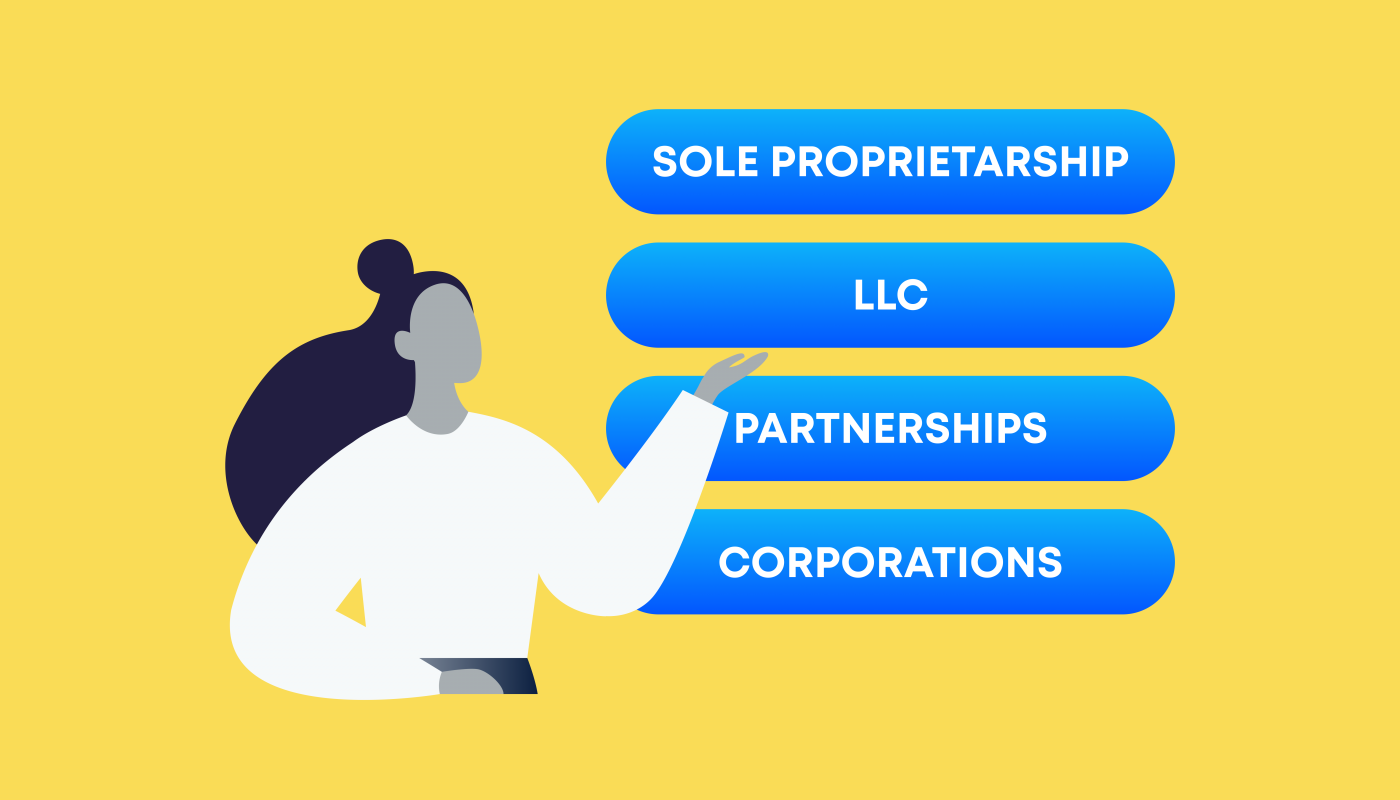
To fix this, start by drafting a solid agreement—think of it as your relationship contract. (1) Define roles clearly to avoid «he said, she said» chaos. (2) Set profit-sharing rules that are fair, not just 50-50 for the sake of it. (3) Include an exit strategy, because let’s face it, not all partnerships last longer than a Netflix binge. For a visual breakdown, here’s a simple table to compare key business structures:
| Structure | Pros | Cons |
|---|---|---|
| Sole Proprietorship | Full control, easy start | Unlimited liability, scaling issues |
| Partnership | Shared burden, diverse skills | Potential conflicts, shared debts |
| LLC | Limited liability, flexibility | More paperwork than sole props |
| Corporation | Easy funding, perpetual existence | Complex taxes, regulatory hurdles |
Y justo ahí fue cuando I realized the key is matching the structure to your entrepreneurial vibe—whether you’re a lone wolf or a team player. Throw in a pop culture twist: it’s like picking your Hogwarts house; a Gryffindor might thrive in a bold corporation, while a Hufflepuff rocks a partnership’s community feel. By addressing these with a dash of irony, you’re not just solving problems; you’re building resilience.
Wrapping It Up with a Twist: Your Entrepreneurial Epic
Here’s the plot twist: while we’ve dissected forms of business ownership, it’s not the structure that defines your success—it’s how you adapt it to your journey. Maybe you’re realizing that what seemed straightforward is actually a canvas for your creativity. So, here’s a specific call to action: grab a notebook right now and list three entrepreneurship options that align with your goals—then chat with a mentor about it. And ponder this: what’s the one overlooked factor in your business dream that’s waiting to be your game-changer? Drop your thoughts in the comments; let’s keep this conversation real. Cheers to your venture—may it be as smooth as a Sunday stroll.