 por
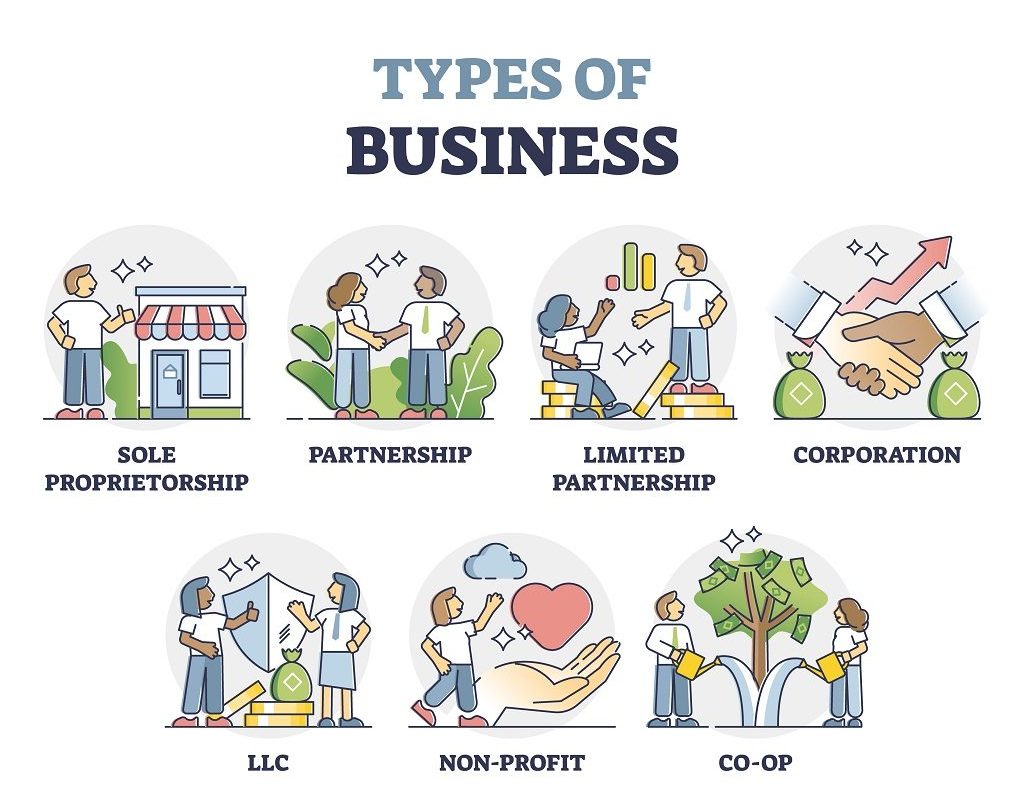
por Hold on tight. Partnerships in business aren’t always the fairy-tale alliances we see on TV shows like «Shark Tank,» where deals seal with a handshake and a grin. But here’s a jarring truth: over 50% of business partnerships dissolve within five years, often because entrepreneurs pick the wrong structure without a clue about the risks. That’s not just a statistic; it’s a wake-up call for anyone diving into entrepreneurship. By the end of this article, you’ll grasp the key forms of partnership structures, empowering you to build a solid foundation that actually lasts, saving you from costly mistakes and messy breakups. Let’s unpack this casually, like chatting over coffee.
My Wild Ride with a General Partnership – Lessons from the Trenches
Okay, picture this: back in my early days as an entrepreneur, I teamed up with my college buddy for a small tech startup. We went with a general partnership because it seemed straightforward – split everything 50-50, right? General partnerships mean both partners share unlimited personal liability, profits, and decisions, which sounds cozy until the bills pile up. We were buzzing with ideas, but man, did we underestimate the headaches. I remember one rainy afternoon in Seattle, papers scattered everywhere, arguing over who owed what after a client bailed. It was like herding cats – chaotic and exhausting.
Here’s my subjective take: general partnerships are great for tight-knit friends or family, but they’re a trap if trust wobbles. I learned the hard way that without clear agreements, one partner’s bad decision can tank the whole ship. Think of it as a marriage without a prenup; romantic at first, but ouch when things sour. And just to add a local flavor, in the U.S., where I’m from, we often say «don’t put all your eggs in one basket» – meaning, diversify your risks. That experience taught me to always, always document roles and exits. If you’re starting out, consider a general partnership only if you’re ready for that level of vulnerability; otherwise, it might kick the can down the road to bigger problems.
Why Limited Partnerships Aren’t the Magic Bullet – A Historical Twist
Ever heard the myth that limited partnerships are just for the big shots on Wall Street? Well, let’s bust that wide open with a dose of reality. Back in the 19th century, during the Industrial Revolution, partnerships evolved as a way for investors to dip their toes without getting soaked – sound familiar? Limited partnerships let you have general partners who run the show and limited partners who put up cash but dodge most liabilities. It’s like being a silent film star; you get the glory without the paparazzi.
But here’s the uncomfortable truth: while they protect passive investors, they can create power imbalances that stifle creativity. In my opinion, based on watching friends navigate this, it’s a double-edged sword – perfect for ventures like real estate flips, but it might leave you feeling like a puppet if you’re not the one pulling strings. Compare that to a general partnership’s equality; it’s apples and stealth bombers. And for a cultural nod, think of it like those old Western movies where the sheriff (general partner) handles the showdown, while the townsfolk (limited partners) just cheer from afar. If you’re skeptical, imagine chatting with a reader who’s thinking, «But what if I want out?» Well, limited partners can exit easier, but it often requires buyouts that complicate things. Don’t overlook state regulations; in places like California, they’ve got stricter rules to prevent abuse.
| Partnership Type | Key Advantage | Potential Downside |
|---|---|---|
| General Partnership | Equal control and shared profits | Unlimited liability for all |
| Limited Partnership | Limited liability for investors | Less say for passive partners |
This quick compare shows why choosing wisely matters in entrepreneurship; it’s not one-size-fits-all.
Could a Joint Venture Be Your Secret Weapon? – Let’s Experiment
What if you partnered with a competitor instead of fighting them? That’s the disruptor question around joint ventures, a flexible partnership structure where two businesses team up for a specific project, sharing resources without merging fully. It’s like that meme of Batman and Superman teaming up – powerful together, but still independent. In business, this could mean two startups collaborating on R&D to cut costs, then going their separate ways.
Let me propose a mini experiment: grab a notebook and jot down your biggest business challenge. Now, brainstorm how partnering with another entrepreneur could solve it – say, for market expansion. I once did this with a rival in the app development space; we created a joint app feature that boosted both our user bases. And that’s when it hit me – the potential was huge, but so were the risks if goals misaligned. In a relaxed tone, I’d say it’s like binge-watching a series with a friend; if you sync up, it’s epic, but if not, you’re just spoiling the plot. For SEO folks, remember keywords like «types of business partnerships» naturally weave in, as they’re core to entrepreneurship.
To wrap this up with a twist: while structures like LLPs offer liability shields similar to corporations, the real game-changer is the human element – trust and communication trump paperwork every time. So, here’s your call to action: right now, review your current partnership setup and tweak it based on what you’ve read. And for a final, non-trivial question: what’s the riskiest partnership decision you’ve made in your entrepreneurial journey, and what did it teach you? Share in the comments; let’s keep the conversation going.