
 por
por Whispers in the dark. That’s how competitor analysis often starts – not with flashy charts, but with subtle hints that could make or break your business dream. Here’s the kicker: in the cutthroat world of entrepreneurship, ignoring your rivals is like ignoring a storm cloud on a picnic day. You think you’re safe, but suddenly, you’re soaked. This article dives into practical steps for analyzing competitors, helping you spot opportunities and dodge pitfalls without turning into a paranoid spy. By the end, you’ll gain a real edge in business, turning what feels overwhelming into a manageable game plan that’s as relaxing as a Sunday brunch.
My Accidental Dive into Competitor Chaos
Picture this: a few years back, I launched my first startup, a cozy online store for handmade crafts – think Etsy but with a twist. I was buzzing with ideas, convinced that my unique designs would conquer the market. But, oh boy, was I wrong. My first wake-up call came when sales tanked mysteriously. Turns out, a bigger player had copied my best sellers and undercut my prices. In my opinion, that moment taught me the hard way that competitor analysis isn’t just smart; it’s survival. I remember staring at my laptop, coffee mug in hand, thinking, «How did I miss this?»
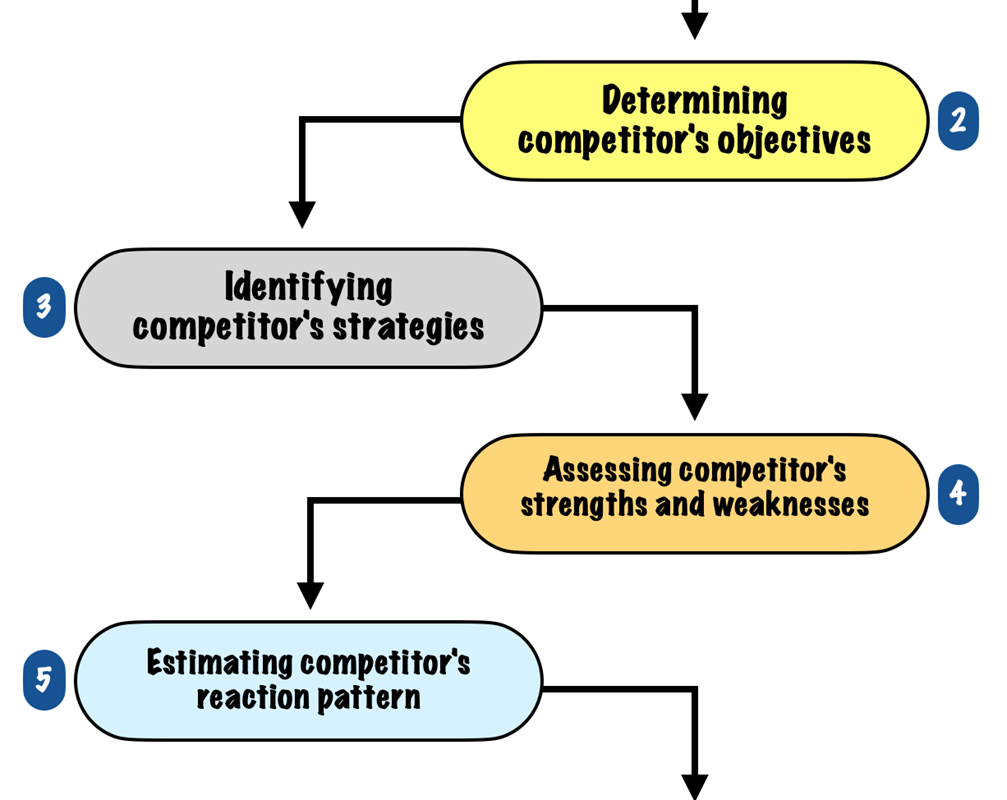
So, let’s break it down with the first step: identify your direct and indirect competitors. Start by listing businesses offering similar products or services. For us entrepreneurs, this means going beyond Google searches – dive into social media, forums, and even customer reviews. I once used a simple spreadsheet to track them, which felt like piecing together a puzzle from a detective novel. And here’s a metaphor that’ll stick: analyzing competitors is like being a chef tasting rival dishes; you note the flavors without stealing the recipe. In the U.S., where innovation is king, tools like SEMrush can make this a piece of cake, but don’t forget free options like Google Alerts for ongoing monitoring.
To add depth, consider long-tail keywords like «how to analyze competitors in e-commerce.» This not only sharpens your SEO but also reveals what potential customers are actually searching for. Y’know, that time I overlooked a niche competitor? It cost me months of momentum. The lesson: stay curious, and always mix in a bit of that American hustle spirit.
When Empires Clashed: Historical Echoes in Business Battles
Ever think about how ancient rivalries mirror today’s entrepreneurial scrapes? Take the cola wars between Coke and Pepsi – a classic tale of giants duking it out for market share. In business terms, this shows how tracking competitors’ moves can turn the tide. Historically, Rome versus Carthage wasn’t just about land; it was about understanding strategies, much like how modern startups dissect pricing and marketing tactics.
Now, let’s flip it: a common myth is that competitor analysis stifles creativity, but the truth is uncomfortably empowering. It’s not about copying; it’s about innovation through observation. For instance, compare two tools: Ahrefs versus SpyFu. Ahrefs excels in backlink analysis, giving you deep insights into SEO strengths, while SpyFu shines in keyword research for paid ads. Here’s a quick table to weigh them:
| Feature | Ahrefs | SpyFu |
|---|---|---|
| Keyword Tracking | Excellent for volume and difficulty | Strong on competitor ads |
| Pricing | Starts at $99/month | More affordable at $33/month |
| Best For | SEO-heavy businesses | PPC and ad-focused entrepreneurs |
This comparison highlights advantages and disadvantages without overwhelming you. In entrepreneurship, it’s like learning from history’s winners – adapt or get left behind. And just like in «Game of Thrones,» where families scheme against each other, your business needs to anticipate moves. A disruptor question: What if your competitor’s success is actually your blueprint for growth? Try this mini experiment: Pick one rival and map their customer journey for a week. You’ll uncover gaps in your own strategy, making your business more resilient.
Imagining a Chat with Your Skeptical Sidekick
Alright, let’s get real – you’re probably thinking, «Do I really need to spy on competitors? Sounds like overkill.» Imagine we’re grabbing a beer, and I’m saying, «Hear me out, buddy.» The problem is, in the fast-paced entrepreneurship scene, skipping this step is like building a house without checking the foundation – it might stand, but one shake, and down it goes. With a dash of irony, I admit, I used to roll my eyes at this too, until my sales nosedived.
The solution? Step three: analyze their strengths and weaknesses head-on. Start by evaluating their online presence – websites, social media engagement, and customer feedback. For example, if a competitor’s reviews rave about fast shipping but complain about high prices, that’s your in. Use tools like SWOT analysis (Strengths, Weaknesses, Opportunities, Threats) to structure it. Number these for clarity: 1. List their top products. 2. Rate their marketing efforts. 3. Spot your unique selling points.
And just there, when you think it’s all serious, remember: business isn’t a battlefield; it’s a playground. In a relaxed tone, I’d say, channel that inner kid and make it fun. A unexpected analogy: It’s like comparing superheroes – Batman has gadgets, Superman has strength, but you? You’ve got your secret weapon. Incorporate variations like «rival assessment» or «market competitor evaluation» naturally into your research. Y’know, in the end, this step turned my business around, proving that a little skepticism can lead to big wins.
As we wrap this up, here’s a twist: What if analyzing competitors isn’t about beating them, but about joining forces in innovation? Take action now – grab a notebook and outline your top three rivals using the steps above. It’ll transform your entrepreneurship journey. Finally, what’s one competitor insight that’s changed your business game? Share in the comments; let’s keep the conversation real.